
Delft Island and the Zero-Emission Tourism Ambition

Can Sri Lanka Build Tourism Without Losing the Island?
Sri Lanka is looking towards Delft Island, or Neduntheevu, as the country’s first zero-emission eco-tourism destination – an ambition that could place the remote northern island at the centre of a new conversation about sustainable tourism.
The proposal is significant not simply because it introduces renewable energy and environmentally friendly infrastructure to a tourism destination, but because Delft presents a much larger challenge: Can Sri Lanka increase tourism and improve infrastructure while protecting the island’s fragile environment, cultural heritage, wildlife and the community that already calls it home?
The Government’s plans include improving infrastructure, transportation, water supply, accessibility, renewable energy and tourism opportunities, while also placing emphasis on community participation and skills development. If carefully implemented, Delft could become more than another tourism destination. It could become a test case for whether Sri Lanka can develop tourism around environmental limits rather than developing the environment around tourism.
But before celebrating the idea of a “zero-emission” island, there is an important question to answer: what does zero-emission actually mean?
What does a zero-emission tourism destination mean?
The term can easily create the impression that tourism on the island will have no environmental impact. In reality, achieving genuinely zero or near-zero emissions is considerably more complicated.
Renewable electricity would be an important part of the equation. Delft could potentially rely increasingly on solar, wind and battery storage instead of diesel-generated electricity. Electric vehicles could reduce emissions from transportation within the island, while energy-efficient buildings, sustainable construction and better waste-management systems could further reduce the environmental footprint of tourism.
However, a destination cannot necessarily be described as zero-emission simply because its electricity comes from renewable sources. Tourism has a much wider carbon footprint. Tourists have to travel to the Northern Province, reach the ferry point and then travel by boat to Delft. Once on the island, they require accommodation, food, water, transportation and waste management.

This raises an important question for the project: will the definition of “zero emission” cover only the energy consumed on Delft Island, or will it consider the wider carbon footprint of tourism, including transportation to and from the island?
The distinction is important if Sri Lanka eventually markets Delft internationally as a zero-emission destination.
Why Delft?
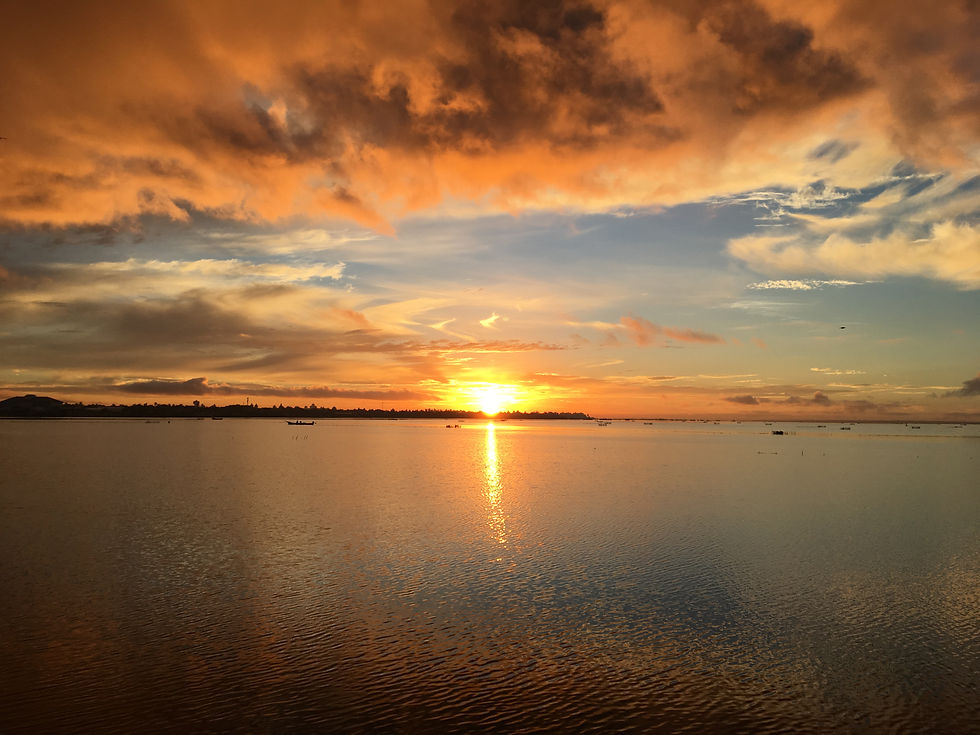
Delft is not an ordinary tourism destination waiting to be developed. Its attraction already exists in the form of its landscape, wildlife, history, archaeology and distinctive island culture.
The island is particularly known for its free-roaming wild horses, Palmyra landscapes, coral and limestone formations, historic structures and archaeological remains. Its relatively remote character is also part of its appeal.
This gives Delft an opportunity to develop a tourism model that is different from the conventional resort approach. Instead of focusing on large hotels and high visitor volumes, tourism could potentially centre around nature experiences, heritage interpretation, community-based accommodation, local food, walking and cycling, wildlife observation and small-scale cultural experiences.
In other words, Delft does not necessarily need to become another mass-tourism destination to benefit from tourism. Its uniqueness may actually depend on avoiding that model.
What could this mean for Sri Lanka?
For Sri Lanka, Delft could become a practical demonstration of how sustainable tourism can operate at an entire destination level.
The country has increasingly promoted sustainable tourism as a way of balancing economic development with environmental and socio-cultural considerations. Delft provides an opportunity to move that concept beyond individual hotels or tourism businesses and apply it to an entire island.
Renewable energy could demonstrate how isolated communities can reduce dependence on fossil fuels. Sustainable transport could reduce the use of conventional vehicles. Water-efficient accommodation could help address one of the island’s most important resource challenges, while proper waste-management systems could prevent tourism from creating a growing waste burden.
The project could also provide lessons that are relevant to other environmentally sensitive destinations across Sri Lanka, particularly islands, coastal areas and locations where tourism infrastructure is developing rapidly.
But the success of such a model should not be measured only by how many tourists arrive or how much tourism revenue is generated. It should also be measured by whether the island's ecosystems remain healthy, whether water resources are protected, whether waste is properly managed and whether local communities actually benefit.
What does it mean for the people of Delft?
Perhaps the most important part of the project is the community.
Delft is already home to people with established livelihoods, traditions and connections to the island. Tourism development therefore needs to be more than an infrastructure project imposed on an existing community.
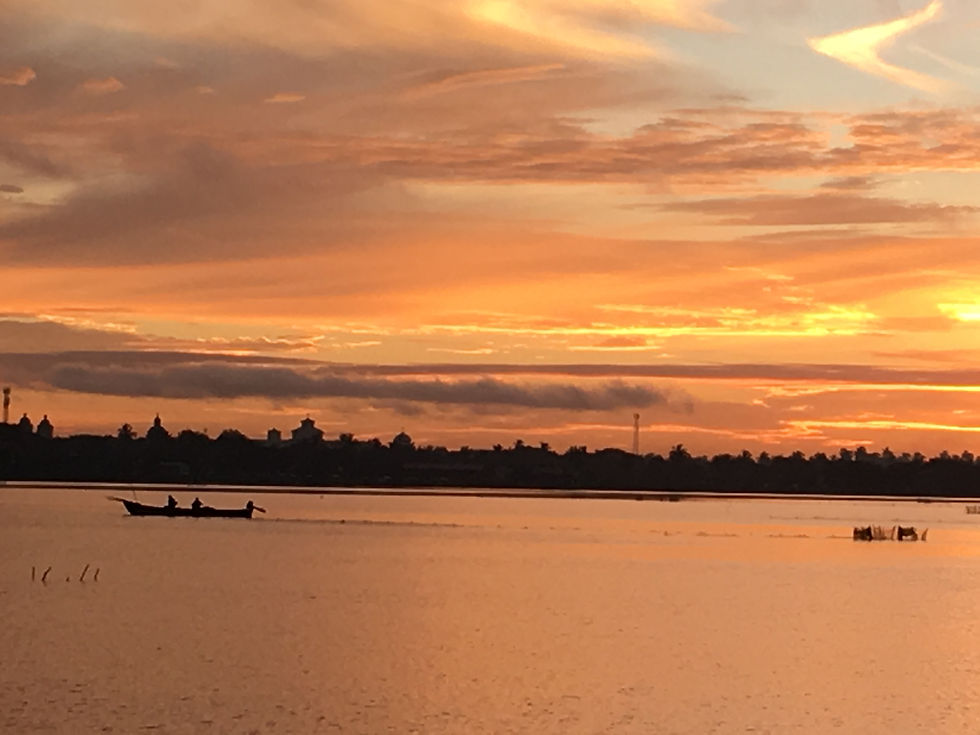
If designed well, tourism could create opportunities for local residents through homestays, guiding, transportation, food services, handicrafts, cultural experiences and other small businesses. Young people could gain employment and hospitality skills without necessarily having to leave the island in search of opportunities elsewhere.
There is also potential for tourism to create greater value from existing local resources. Traditional food, Palmyra-related products, fishing culture, local knowledge and the island's history could become part of the visitor experience while providing additional income to residents.
However, there is an important distinction between community participation and community benefit. Residents may be involved in tourism without necessarily receiving a significant share of its economic value.
As Delft develops, questions about who owns the tourism businesses, who controls tourism-related land, who receives employment opportunities and where the tourism revenue ultimately goes will therefore become increasingly important.
The strongest model would be one where local people are not simply workers within a tourism industry, but participants and beneficiaries with a meaningful role in deciding how tourism develops.
What could it mean for neighbouring islands?
Delft's development could also have implications beyond the island itself.
Renewable-energy infrastructure is already being developed across several northern islands, including Delft, Analativu and Nainativu. This creates the possibility of a wider Northern Islands tourism network.
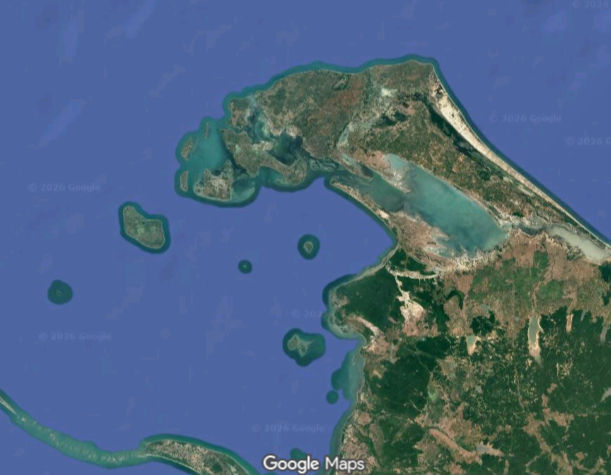
Rather than treating each island as a separate destination, Sri Lanka could potentially develop complementary tourism experiences. Delft could focus strongly on its natural environment, wildlife and heritage, while Nainativu could build around its religious and cultural significance and other islands could develop appropriate community and nature-based experiences.
Such a model could distribute tourism benefits across several communities rather than concentrating visitor pressure in one location.
But there is also a risk. Improving infrastructure and accessibility across the islands could result in increased tourism pressure if development is driven primarily by visitor numbers. A sustainable tourism network therefore needs to consider the environmental capacity of each island individually rather than assuming that infrastructure automatically creates capacity for more tourists.
Water may be one of Delft's biggest sustainability challenges
When people hear “zero-emission tourism,” the first things that often come to mind are solar panels, wind turbines and electric vehicles.
For Delft, however, water could be just as important as energy.
The island has experienced significant water challenges, particularly during dry periods. This affects residents, tourism businesses and wildlife. The situation involving the island's wild horses during periods of drought illustrates how closely tourism, human needs, wildlife and climate resilience can become connected.

This raises a fundamental question: can tourism expand without increasing pressure on an already limited water resource?
New hotels, restaurants and tourist facilities will require water. Visitors will consume water for drinking, washing and sanitation, while accommodation facilities will have additional demands.
If tourism development moves faster than water-security measures, the island could face a situation where a project promoted as environmentally sustainable actually increases pressure on one of its most important natural resources.
Water conservation therefore needs to be part of the tourism model from the beginning. Rainwater harvesting, efficient fixtures, wastewater treatment, water reuse where appropriate and careful limits on accommodation capacity could all become important components.
What about Delft's famous wild horses?
The wild horses are one of Delft's most recognisable features and are likely to remain an important attraction for visitors.
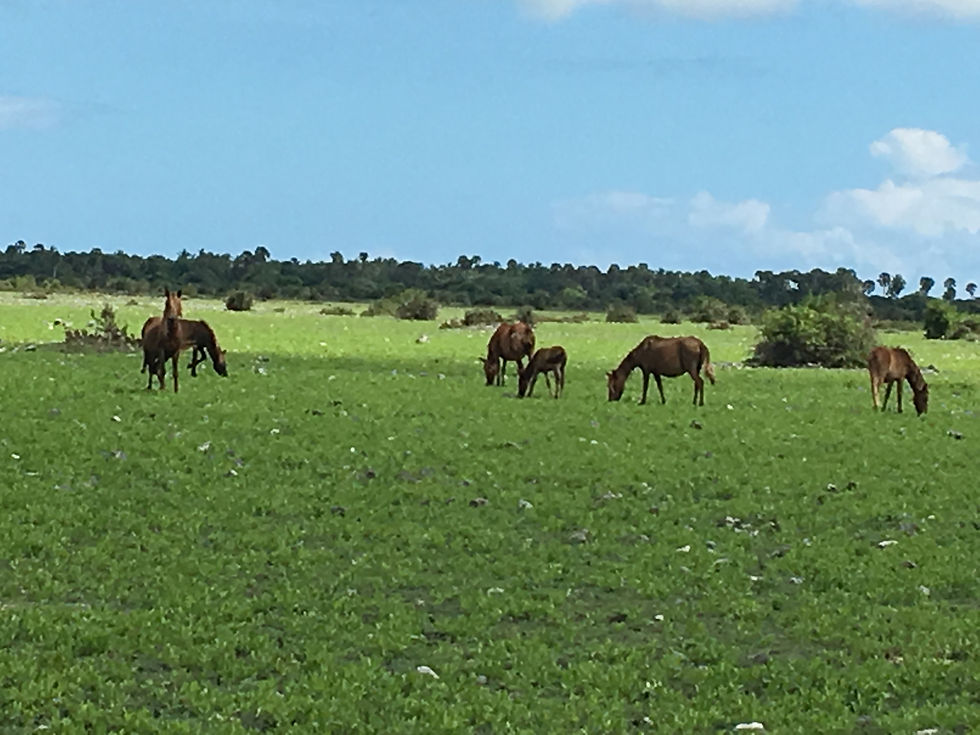
That creates both an opportunity and a concern.
Wildlife tourism can provide an economic reason to protect animals and their habitats, but increased visitor numbers can also create disturbance. Tourists may attempt to feed or approach animals, vehicles could enter grazing areas, and increased development could reduce available habitat.
The wild horses should therefore not be treated simply as a tourism attraction. Their welfare and habitat requirements need to be considered independently of visitor demand.
If the island becomes more popular because of its wildlife, tourism management should ensure that visitors observe animals responsibly rather than turning wildlife encounters into close-contact experiences.
The same principle should apply to birds, marine life and other species found around the island.
Protecting Delft's heritage
Delft's identity is also deeply connected to its history.
Its archaeological sites, historic structures, fortifications and distinctive landscape are part of what makes the island different from a conventional beach destination.
Increased tourism can provide funding and public interest for heritage conservation, but it can also create physical pressure. Foot traffic, touching or climbing on structures, litter, vandalism and poorly planned infrastructure can gradually damage sites that cannot be replaced.
Heritage interpretation should therefore become part of the tourism experience. Visitors should not simply be taken to historic sites for photographs; they should understand what they are seeing and why it matters.
Any new infrastructure should also be carefully designed so that it does not visually or physically overwhelm the island's historic landscape.
Could making Delft more accessible create a new problem?
One of the paradoxes of sustainable tourism is that improving accessibility can increase environmental pressure.
Better roads, improved transport and easier connections will clearly benefit residents and businesses. Greater accessibility can also make tourism more viable.
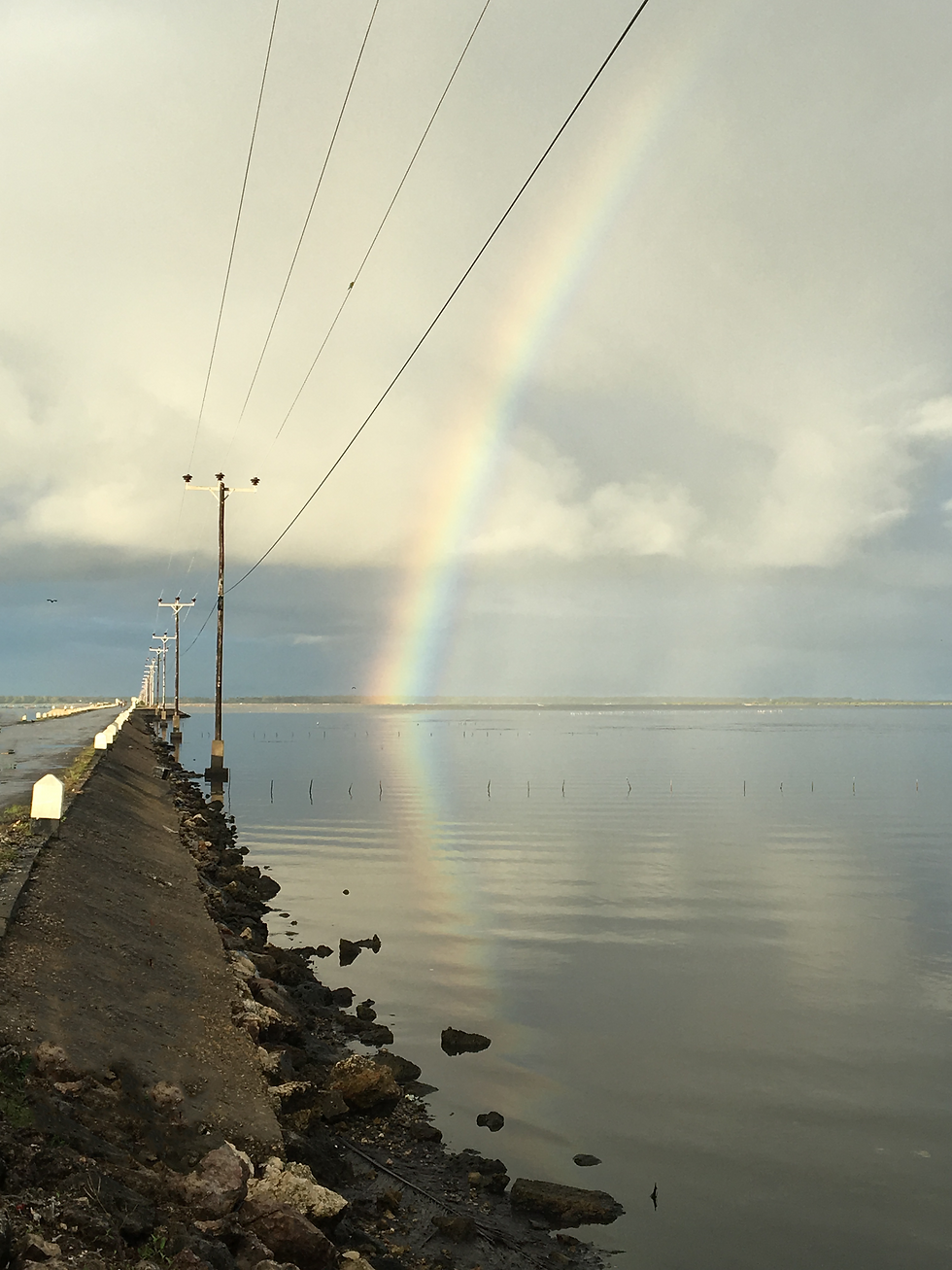
But the easier Delft becomes to reach, the more people may want to visit.
That creates a fundamental question about carrying capacity.
How many visitors can the island accommodate in a day? How many can its water supply support? How much waste can be safely managed? How many vehicles can operate without disturbing wildlife? How many people can visit sensitive archaeological or natural sites before they begin to deteriorate?
These questions should ideally be answered before visitor numbers grow significantly.
Rather than determining tourism capacity based on how many people the market wants to send to Delft, the starting point should be how many visitors the island's environment and community can sustainably accommodate.
Could “zero-emission” tourism still create emissions?
There is another potential contradiction that deserves attention.
If Delft becomes easier to access and attracts significantly more tourists, the total number of journeys to the island will increase.
Even if tourists travel around Delft in electric vehicles, the boats transporting thousands of visitors to and from the island could still generate emissions if they rely on conventional fuels.
Similarly, food, construction materials, hotel supplies and other goods have to reach the island.
This means that Sri Lanka should consider the whole tourism supply chain when assessing the project's environmental performance.
A transparent system could report indicators such as renewable-energy use, diesel consumption, visitor numbers, water consumption, waste generated, transport emissions and local economic benefits.

That would allow the public to see whether the zero-emission ambition is actually being achieved rather than relying solely on a label.
Waste management will be another major test
Remote islands face a simple but difficult waste problem: what comes onto the island has to be managed there or transported elsewhere.
Tourism can significantly increase the amount of plastic packaging, bottles, food waste and other material generated.
Delft could potentially use its remote setting as an opportunity to introduce a different model, with refillable drinking-water systems, reusable alternatives to single-use items, waste separation, composting where appropriate and systems for transporting difficult-to-process waste back to the mainland.
Visitors could also be encouraged to take responsibility for what they bring to the island.
This would turn waste management from an invisible service into part of the destination's sustainability culture.
Could Delft become a model for Sri Lanka?
The real opportunity is not simply to create Sri Lanka's first zero-emission tourism destination.
It is to create a destination where tourism development is measured against environmental and social outcomes.
A conventional tourism project may focus on visitor numbers, hotel rooms and tourism revenue. A more comprehensive Delft model could measure renewable-energy use, water security, waste reduction, ecosystem health, wildlife protection, local employment, community income and visitor numbers alongside economic indicators.
That would provide a much clearer picture of whether tourism is actually contributing to sustainable development.
Delft could then become a case study for other parts of Sri Lanka: not a destination that simply attracts tourists through its natural beauty, but one that demonstrates how tourism can operate within environmental limits.
The concerns Sri Lanka should address before scaling up
The ambition is promising, but several questions deserve clear answers as the project moves forward.
What exactly will “zero emission” cover? Will it include only electricity generated on the island, or the emissions associated with transportation, supplies, waste and tourism activities as well?
What is Delft's tourism carrying capacity? Visitor numbers should ideally be linked to scientific assessments of water, waste, biodiversity, infrastructure and community capacity.
How will local residents benefit? Community participation should extend beyond employment to ownership, decision-making and a meaningful share of tourism income.
How will water resources be protected? Tourism should not compete with residents or wildlife for a limited resource.
How will the wild horses and other wildlife be protected? Tourism activities should be designed around wildlife welfare rather than the other way around.
How will archaeological and cultural sites be protected? Increased visitor numbers should not come at the expense of the island's heritage.
How will waste be handled? The island needs a system capable of dealing with increased tourism without creating another environmental problem.
Will increased accessibility lead to overtourism? Making Delft easier to reach should not automatically mean sending unlimited numbers of visitors there.
These are not arguments against tourism development. They are questions that could help make the development genuinely sustainable.
A different vision for island tourism
Delft has an opportunity to demonstrate that sustainable tourism does not have to mean simply adding green technology to conventional tourism infrastructure.
A more ambitious model would start with the island itself.
Its water availability, ecosystems, wildlife, heritage, community and physical limitations could determine how tourism is designed.
That could mean fewer but more meaningful visitor experiences, locally owned businesses, renewable energy, low-impact transportation, carefully managed accommodation, responsible wildlife tourism and stronger protection of natural and cultural resources.
The challenge will be maintaining that balance as tourism grows.
Delft does not need to become another high-volume destination to succeed. In fact, its greatest tourism value may lie precisely in the qualities that could be lost through uncontrolled development: its remoteness, quiet landscapes, wildlife, history and connection to local life.
The success of Sri Lanka's zero-emission tourism ambition should therefore not be judged simply by whether Delft receives more tourists or whether new renewable-energy infrastructure is installed.
The more meaningful question is:
Can Delft become more accessible and economically vibrant without becoming less environmentally and culturally distinctive?
If the answer can ultimately be demonstrated through measurable results, Delft could offer Sri Lanka something far more valuable than a new tourism destination.
It could offer a blueprint for how tourism can grow without asking nature to pay the


Comments