
A Once-in-a-Generation Bloom of The Nelu

Updated: Mar 27
The Spectacular Return of the Nelu at Horton Plains
After a long wait of twelve years, Sri Lanka’s iconic highland landscape was once again been transformed by one of nature’s rarest and most breathtaking spectacles — the mass flowering of the Nelu, also known as Nilu or Nilla. In late 2025, vast stretches of Horton Plains National Park were blanketed in waves of purple and pink as millions of these delicate flowers burst into bloom simultaneously, turning the misty grasslands into a living carpet of colour.

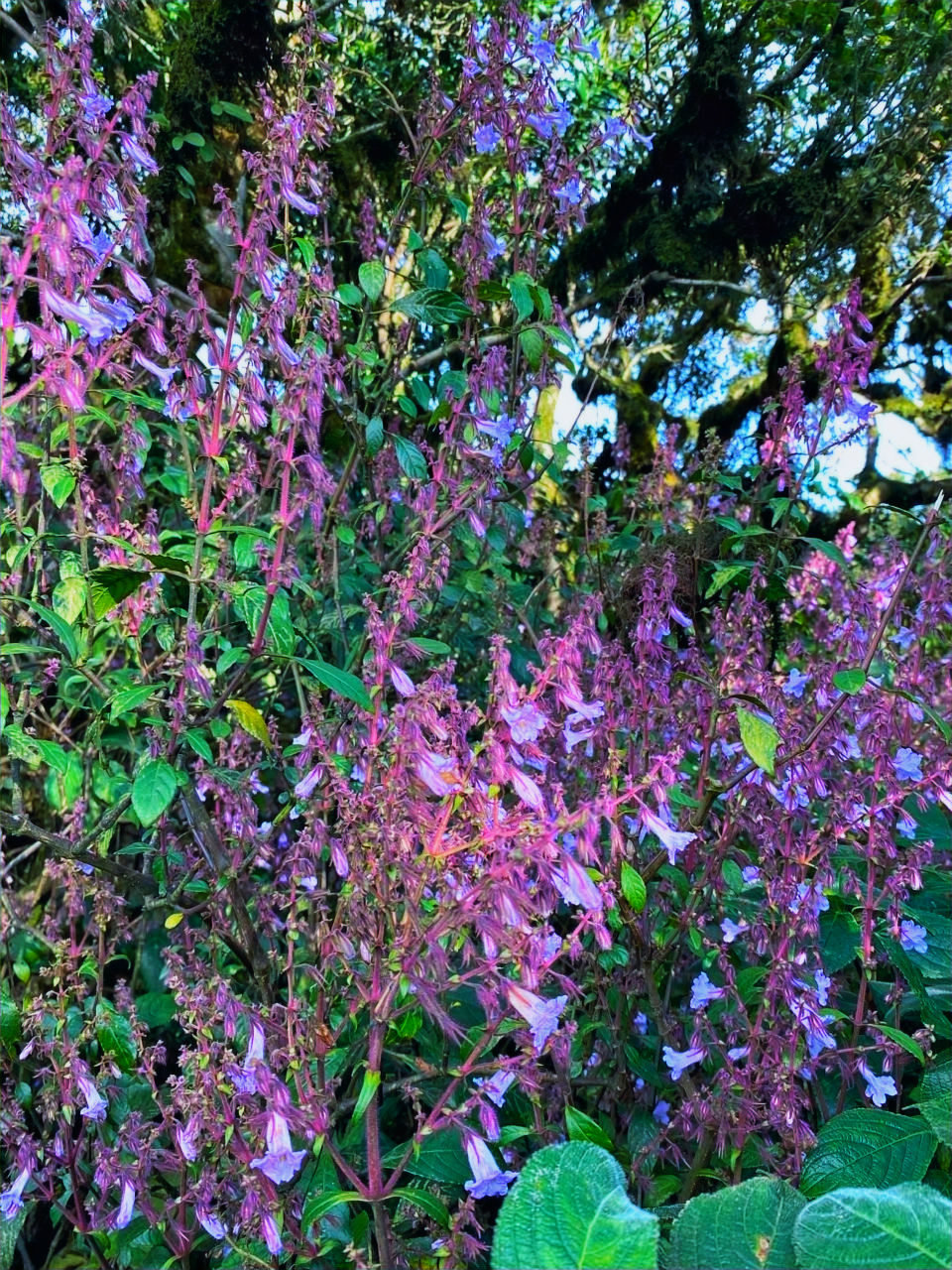
For many Sri Lankans and nature lovers, this phenomenon is a once-in-a-lifetime experience. The previous mass bloom occurred in 2013, and before that in 2001. True to its mysterious biological rhythm, the Nelu returned in 2025, drawing thousands of visitors, photographers, and researchers to witness a fleeting moment that may not repeat again until around 2037.
Fields of Purple Across the Highlands
During this rare event, areas such as Pattipola, Ohiya, Thotupola Kanda, Kirigalpottha, and wide expanses of the Horton Plains plateau were transformed into sweeping fields of purple and lilac hues. The normally muted grasslands became vibrant mosaics of colour, with flowers stretching as far as the eye could see. In certain locations, entire hillsides appeared dusted in violet, creating an almost surreal landscape that many described as one of the most beautiful natural sights in Sri Lanka’s highlands.

This dramatic transformation is not just visually stunning — it represents a profound ecological event that reshapes the montane ecosystem, even if only temporarily. The bloom attracts large numbers of bees, butterflies, and other pollinators, filling the air with activity and altering the soundscape of the plains. For a brief window, the entire ecosystem pulses with life centred around the flowering cycle.

A Unique and Mysterious Life Cycle
What makes the Nelu truly extraordinary is its unique life cycle. The plants belong to the genus Strobilanthes, a group of shrubs known for their rare, synchronized mass flowering. These plants are monocarpic, meaning each individual plant flowers only once in its lifetime.
For over a decade, Nelu plants grow quietly, storing energy. Then, in a remarkable act of biological timing, vast populations flower together across the landscape. After flowering and producing seeds, the parent plants die, completing their life cycle in a single, spectacular reproductive event. The hillsides, once lush with flowering shrubs, will gradually return to green as the next generation of seedlings begins its long, silent growth phase.
This strategy is thought to overwhelm seed predators and increase the chances of successful regeneration, ensuring that enough seeds survive to establish the next generation. It is a powerful reminder of how evolution has shaped even the most poetic of natural phenomena with precise ecological purpose.
Sri Lanka is home to around 30 endemic species of Strobilanthes, and Horton Plains hosts several unique varieties found nowhere else in the world. During the 2025 bloom, multiple species flowered together, adding layers of colour and diversity to the spectacle.

A Bloom Recorded Through Generations
The Nelu bloom at Horton Plains is not only a rare natural event but also one of the longest and most carefully documented botanical cycles in Sri Lanka’s history. Records of mass flowering stretch back more than 140 years, offering a remarkable glimpse into nature’s precision and patience. British planter and naturalist Thomas Farr, who lived at what is now known as Farr Inn in Horton Plains, was among the first to document the phenomenon in detail. He recorded major blooms in 1881, 1893, and 1905, and famously predicted that the next mass flowering would occur in 1917 — a forecast that proved to be strikingly accurate.

Since then, the Nelu bloom has continued to follow its extraordinary rhythm, with major flowering events recorded in 1929, 1941, 1953, 1965, 1977, 1989, 2001, 2013, and most recently in 2025. Each generation has witnessed the same transformation of the highland plateau, as quiet green grasslands suddenly erupt into sweeping fields of purple, pink, and lilac. These recurring blooms have been documented by botanists, photographers, park wardens, and local communities, creating a living timeline that links today’s visitors with observers from more than a century ago.
The 2025 bloom, occurring exactly 12 years after the previous major event, once again confirmed the astonishing regularity of this natural cycle. Scientists and conservation authorities had anticipated the return based on historical records and ecological studies, and their predictions were fulfilled as Horton Plains was once more blanketed in цвет waves of Nelu. This continuity through time makes the Nelu bloom more than a visual spectacle — it is a living ecological clock, marking the passage of years in one of Sri Lanka’s most fragile and important montane ecosystems.

A Cultural and Ecological Landmark
The Nelu bloom is more than a botanical curiosity — it has become part of Sri Lanka’s natural heritage. For local communities, hikers, and conservationists, the bloom represents a powerful connection to the rhythms of the land. It is a reminder that some of nature’s most profound events operate on timescales far beyond daily human life.
At the same time, the 2025 bloom highlighted growing challenges. The influx of visitors placed pressure on Horton Plains, prompting park authorities to issue warnings and enforce regulations to protect the fragile ecosystem. Trampling, off-trail walking, and flower picking can damage both flowering plants and young seedlings that represent the next 12-year cycle. Protecting these landscapes now is essential to ensure that future generations will also witness this extraordinary event.
A Fleeting Beauty, A Lasting Responsibility
The Nelu bloom lasts only a few short weeks. As quickly as the flowers appear, they begin to fade, leaving behind seeds and withering plants. The purple fields slowly give way to green once more, and the plains return to their familiar, windswept character.
Yet, long after the colours fade, the impact of the bloom lingers — in seeds scattered across the soil, in pollinators that have fed and reproduced, and in the memories of those lucky enough to witness it.
The return of the Nelu in Horton Plains is a powerful symbol of Sri Lanka’s rich biodiversity and the delicate balance that sustains it. It reminds us that true natural wonders are not permanent attractions, but rare gifts — moments in time that call for respect, protection, and deep appreciation.
As the next cycle quietly begins, the hills will once again wait in silence for over a decade, preparing for the day when Horton Plains will be dressed in purple once more.

Comments