
Nature and Community

Updated: Mar 27
The Delicate Balance of Coexistence
Across Sri Lanka, people and nature have lived side by side for centuries. From farming villages bordering forests to coastal communities sharing space with marine life, this close relationship has shaped both culture and livelihoods. Yet as human populations grow and natural habitats shrink, coexistence has become increasingly complex.

The relationship between people and wildlife is neither purely harmonious nor purely harmful. It is a dynamic balance — shaped by human behaviour, land use, and attitudes toward nature. When managed with care, coexistence can benefit both communities and ecosystems. When mismanaged, it can lead to conflict, loss, and long-term damage for people and wildlife alike.
When Coexistence Works
In many parts of Sri Lanka, nature and community still support each other in positive ways. Traditional farming practices, home gardens, and agroforestry systems often provide habitat for birds, butterflies, and small mammals while also supporting food security. Tanks, canals, and wetlands created for irrigation have become vital ecosystems for fish, amphibians, and waterbirds.
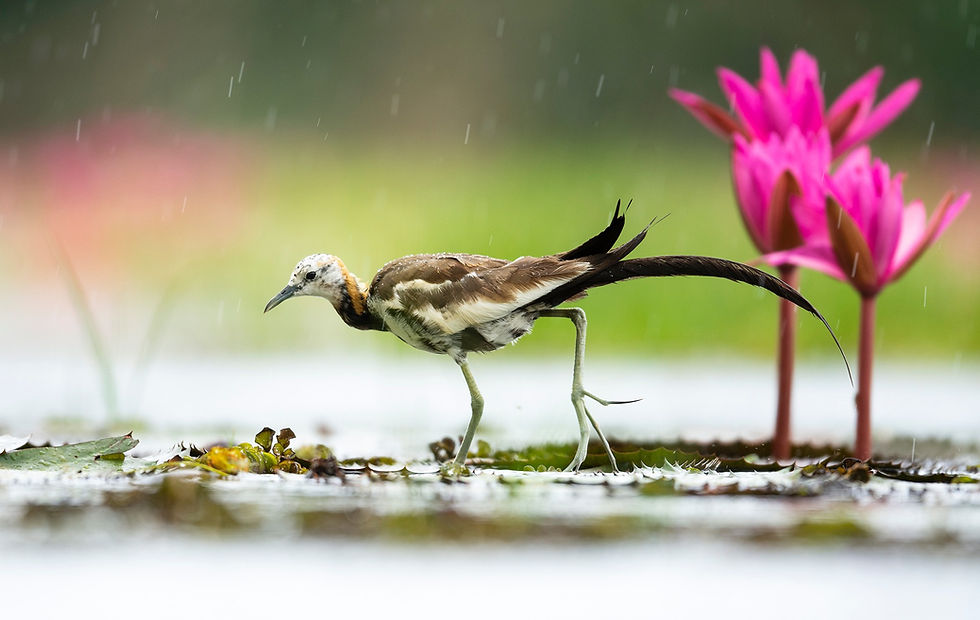
Eco-tourism is another example of positive coexistence. When wildlife and natural landscapes are protected and responsibly managed, they provide income, employment, and pride for local communities. Nature becomes an asset worth protecting rather than a resource to be exploited. In these cases, people become stewards of their environment, recognising that healthy ecosystems are essential for their own long-term well-being.
Community-led conservation, wildlife monitoring, and sustainable resource use show how human behaviour can actively strengthen the bond between people and nature. These efforts prove that coexistence is not only possible — it can be mutually beneficial.

When Human Behaviour Creates Pressure
At the same time, human actions can place enormous strain on natural systems. Deforestation, unplanned development, illegal encroachment, and pollution steadily reduce and fragment wildlife habitats. As forests shrink and corridors disappear, animals are forced into closer contact with people.

Road construction through natural areas increases the risk of wildlife roadkills. Poor waste management attracts animals such as monkeys, wild boar, and elephants into villages. Artificial feeding of wildlife, though often well-intentioned, can change animal behaviour and make them dependent on human food sources, increasing conflict and risk to both sides.
These pressures are not always driven by malice. Often they stem from economic necessity, lack of awareness, or short-term decision-making. However, the long-term consequences are felt by both communities and ecosystems.
Human–Wildlife Conflict: A Growing Challenge
One of the most visible outcomes of shrinking natural space is human–wildlife conflict. In Sri Lanka, this is most commonly seen in interactions with elephants, leopards, monkeys, wild boar, crocodiles, and other species that increasingly come into contact with people.

For rural communities, crop damage, property loss, and threats to personal safety can have serious economic and emotional impacts. For wildlife, conflict often leads to injury, retaliation killings, habitat loss, and population decline. In many cases, animals are not “invading” human space — they are responding to the loss of their own.
Human–wildlife conflict highlights a deeper issue: coexistence is not just about animals adapting to people, but about people making space for nature in a rapidly changing landscape.
The Power of Positive Human Behaviour
Human behaviour plays a critical role in shaping the outcome of coexistence. Simple actions can make a meaningful difference. Proper waste disposal reduces wildlife attraction to villages. Protecting forest corridors allows animals to move safely between habitats. Wildlife-friendly farming practices can reduce crop losses while supporting biodiversity.
Education and awareness are equally important. When communities understand animal behaviour and ecological roles, fear and misunderstanding can be replaced with informed caution and respect. Supporting early-warning systems, community fencing solutions, and non-lethal deterrents can reduce conflict while protecting both livelihoods and wildlife.

Most importantly, long-term planning that integrates nature into development decisions helps prevent conflict before it begins.
A Shared Landscape, A Shared Responsibility
Sri Lanka’s landscapes are not divided neatly between “human” and “wild.” They are shared spaces shaped by history, culture, and ecology. The future of coexistence depends on recognising that people and wildlife are part of the same system.

When human behaviour is guided by respect, responsibility, and long-term thinking, coexistence can strengthen both communities and ecosystems. When driven by short-term gains and disregard for nature, the costs are borne by everyone — from farmers to forest-dwelling species.
The story of nature and community is ultimately a story of choices. Every road built, forest cleared, or river protected shapes the kind of coexistence that will define Sri Lanka’s future. By choosing to live with nature rather than against it, communities can help ensure that both people and wildlife continue to thrive on this shared island.


https://keonhacai5.net/ dạo này mình thấy nhiều người nhắc nên cũng bấm vào coi thử cho biết thôi. Mình không đọc sâu gì cả, chủ yếu lướt nhanh xem giao diện có dễ nhìn không. Vào cái là thấy bố cục khá gọn, nhìn không bị rối, kiểu chia thành từng khối nên mắt bắt thông tin nhanh. Mình thích nhất là mấy phần dữ liệu họ để dạng bảng/cột, kéo xuống vẫn thấy rõ ràng chứ không bị chữ dính vào nhau. Menu thì đặt chỗ dễ thấy nên mình chuyển qua lại vài mục cũng tiện, không phải mò quá nhiều. Nói chung cảm giác dùng ổn vì các khối nội dung tách bạch và bảng cột nhìn khá…
sun win mình vừa lướt thử vài phút vì thấy tên xuất hiện hoài, kiểu vào xem giao diện là chính. Cảm giác đầu tiên là trang làm khá gọn, nội dung chia theo từng khối nên kéo xuống không bị ngợp, nhất là trên điện thoại nhìn vẫn rõ. Mình để ý phần tiêu đề có nhấn “cổng game chính thức 2026” nên nhìn phát biết họ đang muốn nói gì, không phải đoán. Menu cũng đặt chỗ dễ bấm, chuyển qua lại nhanh, không bị lag kiểu mấy trang nặng chữ. Mình không có thử sâu game nào, chỉ xem bố cục thôi mà thấy họ sắp xếp ổn, chữ dễ đọc. Nói chung lướt một vòng là…
rophim hôm trước thấy mọi người share nhiều quá nên mình vào nghía thử cho biết. Cảm giác đầu tiên là trang mở lên khá nhanh, không bị mấy lớp hiệu ứng che màn hình nên nhìn cái là thấy danh sách phim luôn. Mình hay khó chịu mấy site nhồi chữ, nhưng ở đây bố cục nhìn gọn, các khối phim tách ra rõ nên lướt cũng đỡ mỏi mắt. Thử bấm vài mục thì thấy họ có ghi Vietsub với chất lượng HD 4K ngay trên phần hiển thị, khỏi phải vào sâu mới biết. Mình xem trên điện thoại cũng ổn, kéo xuống mượt, đổi mục không bị đứng hình. Nói chung phần sắp xếp các khối…
https://soicau247.com/ dạo này mình lướt thử vì thấy mấy người trong nhóm hay nhắc, tò mò xem giao diện ra sao thôi. Mình không rành vụ soi cầu nên cũng không “chốt” gì, chủ yếu xem cách họ trình bày có dễ nhìn không. Thấy trang chia nội dung theo từng khối khá rõ, kéo xuống là gặp phần kết quả với phần dự đoán tách bạch nên không bị lẫn. Mình để ý tiêu đề theo ngày hiện khá nổi, kiểu “Xổ số Miền Bắc ngày 03/06/2026” nên biết mình đang xem đúng kỳ nào. Mấy bảng đầu/đuôi lô tô họ làm dạng cột gọn gàng, nhìn một phát là hiểu bố cục ngay, nhất là khu vực bảng…
tỷ lệ kèo bóng đá dạo này thấy bạn bè bàn hoài nên mình cũng ghé thử một trang kiểu tổng hợp đánh giá nhà cái cho biết. Mình vào không có ý tìm hiểu sâu, chủ yếu xem giao diện có dễ dùng không thôi. Ấn tượng đầu là phần “Chào Mừng Đến Website Của Chúng Tôi” viết khá rõ ràng, đọc lướt vẫn nắm được trang này tập trung vào việc tổng hợp đánh giá nhà cái và cập nhật thông tin thường xuyên. Kéo xuống chút thì thấy khu “Featured Sections” nhìn như mấy thẻ nội dung xếp gọn gàng, mỗi thẻ có nút bấm kiểu Review Visit nên thao tác cũng nhanh, không phải mò. Nói…